There is a particular adventure in hearing a box struck the doorstep and understanding that it carries the fragrance of a farm thousands of miles away. Not simply any kind of beans, either, but coffees that were supported, sorted, shipped with treatment, and baked with a perspective. Gourmet coffee beans delivery can be a discovery or a live roulette wheel. The difference comes down to curation and trust.
I've sourced beans for coffee shops, called espresso for competitions, and ruined greater than a couple of early mornings discovering the hard way exactly how shipping and quality clash. When you get coffee beans delivered from roasters that take the trip seriously, you can brew with self-confidence. When you don't, you drink regret with a crema cap. Let's talk about just how to discover the former, why shipment information issue, and which chooses continually earn an area on my bench.
The stakes: freshness, openness, and your tastebuds
Coffee is a fresh food making believe to be a kitchen staple. Environment-friendly coffee, stored well, can hold its capacity for months. When roasted, the clock runs much faster. Aromatics are unpredictable, CO2 off-gassing affects removal, and age dulls acidity. If your beans get here ten days past roast and spent four of those languishing in a warm van, you will taste it.
Good coffee beans delivery hinges on controlled timelines, packaging that values the chemistry, and presence into the roast day. Trustworthy sellers inform you what you require to recognize prior to you click get. If they won't show roast days or urge "best by" is good enough, you understand where to submit them.
What "exquisite" should indicate in the context of delivery
Gourmet obtains over used, however in coffee, it needs to signal 3 points. First, the beans themselves originate from traceable great deals with tight sorting requirements. Second, the roast is intentional, not a one-size-fits-all color. Third, the distribution safeguards the roast's height window as opposed to wearing down it.
I search for vacuum-sealed or nitrogen-flushed packaging for longer paths, one-way shutoffs with correct warmth seals for residential deliveries, and service providers that can get bags to many addresses within 3 days of roast. That home window is not a snob rule. The majority of coffees show off between days 4 and 18 blog post roast, with espresso mixes often choosing a slightly longer rest. Shipping schedules should align with that said rhythm, not deal with it.
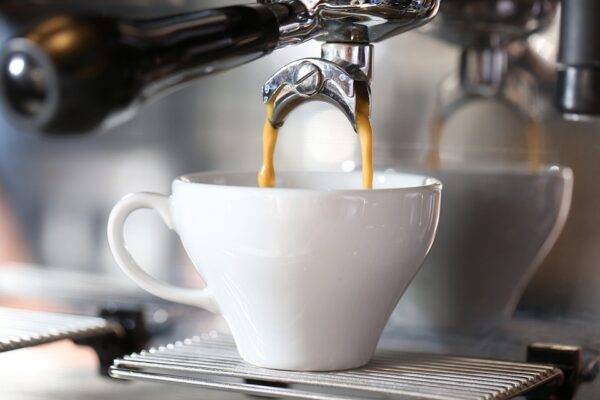
How to tell if a roaster takes distribution seriously
You can discover a whole lot from a product web page and a delivery banner. If a roaster uses dealt with roast days and ships exact same day, they respect your experience. If they supply grind options, the great ones advise you that whole bean stays fresh longer and advise grinders rather than acting pre-ground trips well. Transparency is a good omen. Buzz without data generally hides staleness.
One tiny test I utilize: add a bag to haul and head to check out. If the earliest ship day is 3 or 4 days away with no description, there's possibly a line up of pre-roasted inventory. That is not immediately poor, but it means the roast date may not align with the arrival of your pot. The most effective vendors integrate roast and ship days so your bundle lands throughout the coffee's pleasant spot.
Single-origin prizes vs. blends that behave
Single-origin coffees are the splashy headliners: a cleaned Ethiopian that tastes like jasmine and lemon sweet, an all-natural from southern Brazil with strawberry jam and chocolate, a high-grown Guatemalan with stone fruit and pecan. They beam when made with focus and a flexible hand. They can also reveal every trait in your kettle temperature level and pour speed.
House blends be worthy of more regard than they obtain. A well-built mix can decrease week-to-week variation and provide you a chocolate-forward, caramel-smooth cup that behaves across devices. If you are establishing a regular coffee beans delivery for a home with blended preferences, a flagship blend could save your mornings. Maintain a slot open for a revolving single-origin, however. Palates discover with contrast.
Light, medium, dark: the roast range and shipping reality
Light roasts carry the farm's voice. They also are more unstable in the initial few days after roast and often improve up to day 10. I such as to arrange light-roast distributions to land at day 4 or 5 and afterwards appreciate them over the complying with week. Tool roasts tend to be pleasant right off the vehicle and hold peak longer. Dark roasts can flatter milk beverages and taste regular in time, yet they can additionally stagnant faster as soon as the bag opens up, due to the fact that fracturing and oil migration speed up oxidation.
If your distribution route is long, a light or medium roast commonly shows up better than a dark roast, specifically in cozy months. For darker profiles, take into consideration smaller bag sizes supplied extra regularly instead of one large regular monthly shipment.
Why work size and water are half the battle
Most delivery programs will gladly sell you pre-ground coffee. I rarely recommend it. Even the best mill at the roastery can not stop flavor evaporation once the surface boosts. If you wish to get coffee beans delivered and taste what you spent for, acquire a mill. A conelike burr grinder under 200 bucks, well lined up, will exceed pre-ground every time.
Water issues more than many people assume. I've watched a spectacular Kenya taste hollow since the brewer utilized ultra-soft distilled water. If your coffee preferences flat or sour regardless of what you do, inspect your water's firmness and alkalinity. You can acquire mineral packets, make use of third-wave style concentrates, or blend filtered faucet with sparkling water to strike a rough target of modest hardness and a buffer that keeps level of acidity vibrant but not biting.
Subscription cadence and bag size: mathematics that saves flavor
A common 340 gram or 12 ounce bag yields about 16 to 22 pour-over mixtures at 15 to 18 grams per mug, or about a week of coffee for one heavy drinker. Espresso, with its dial-in waste, can chew through the very same bag in four to five days for two coffees a day. If you're establishing a gourmet coffee beans delivery membership, price quote usage and pick a tempo that keeps you within that 4 to 18 day quality window after roast.
Two smaller sized bags extra regularly typically beat one large bag much less frequently, unless the roaster vacuum-seals. If you live alone but love range, alternate a trustworthy mix with a seasonal single-origin. If you entertain on weekend breaks, schedule distributions midweek so the showpiece coffee is striking stride by Saturday.
Climate, path, and packaging: the physics slipping right into your cup
Heat accelerates staling. Moisture mooches aromatics. Time is the taxman. If you live in a warm region or it's summer, ask for shielded mailers or pick expedited delivery. Shipment service providers leave boxes in noontime sun, and the inside of a truck can be 20 to 30 degrees hotter than outside. I when measured a bag at 39 Celsius after a July front door decrease. The coffee tasted great, yet the top home window felt shorter by 3 to four days.
Packaging can aid. One-way shutoffs are entry level. Nitrogen flushing is much better for longer storage. True vacuum-sealed bricks protect height for weeks, though they normally require a day or two message open up to degas before espresso behaves. Check out the bag product also. Slim kraft paper looks rustic, yet multilayer films with proper heat seals keep oxygen at bay.
The art of curation: just how credible sellers gain that trust
When I vet a seller for coffee beans delivery, I consider their green acquiring notes and seasonal tempo. Great managers write sampling notes that develop, because coffee lots drift with the year. They discuss altitude varieties rather than cherry-picking the greatest tree on the ranch. They offer refining information without romance-novel fluff. And they share brew guidelines that reflect screening, not vibes. When a roaster includes both a filter dish and a coffee starting factor, you recognize they calibrate.
I also pay attention to exactly how they manage misses out on. Every roaster gets a whole lot that under-performs. The sincere ones discount it or blend it with restriction rather than hiding it in adjectives. They respond when you compose and state the bag tasted level. They use to reship if a service provider delays for a week. That responsiveness is part of the value in paying for gourmet coffee beans delivery as opposed to bargain-bin secret beans.
Espresso vs. filter: picking deliveries to match your gear
Espresso amplifies everything, excellent and bad. For home espresso, mixes with a base of Brazil or Colombia, split with a sweeter cleaned Central or a gentle all-natural, often tend to draw regularly. They endure little grinder drift, softer water, and small temperature variation. If you hunger for fruit-bomb shots, aim for naturals that are clean as opposed to fashionable. Search for tasting notes https://squareblogs.net/otbertlwpm/eco-friendly-coffee-beans-delivery-packaging-and-practices like ripe berries, cacao, or exotic fruit, not "winey" or "boozy," unless you appreciate chasing variables.
For filter brewers, single-origins come active. Washed Ethiopians sing on a V60 with a slightly better work and a water temperature around 95 Celsius. Honey-processed Costa Ricas succeed on flat-bottom makers at 92 to 93 Celsius with a touch longer drawdown to round the sweet taste. If your delivery blends both profiles in one registration, request roast adjustments. Some roasters will align roasts to your key device.
Decaf that doesn't taste like punishment
A reputable decaf in your shipment rotation is a gift to late-night yearnings and guests. Seek Swiss Water or ethyl acetate refines done at origin. The former is gentle and maintains origin character, the latter can include a sugar or fruit note that plays nicely in milk drinks. Fresh decaf issues as high as caffeinated coffee. Way too many sellers treat decaf like a storage facility product and ship bags that are months old. Inquire about roast days. A decaf coffee that is 7 to 2 week post roast can be glorious.
When to splurge and when to save
Not every morning requires a rare microlot. Some coffees struck diminishing returns if your water or mill can not show the subtlety. If you brew on a standard drip equipment and enjoy a sprinkle of milk, a well-roasted mix will outshine a pricey, fragile Geisha that loses its florals under heat plates and milk. Save the shop single-origins for days when you brew by hand and can ride the variables.
On the other hand, do not cheap out on the roaster. Paying an additional 3 to 6 dollars per bag usually acquires exact sorting, better eco-friendly storage space, and knowledgeable roasting. That return in the cup deserves greater than trying to shave pennies with beans that taste baked or rubbery.
The tiny routines that shield your distribution investment
When the plan shows up, stand up to the urge to open every bag for a sniff parade. Oxygen is a burglar. If you obtain multiple bags, open one and keep the rest sealed. If you should decant, use an airtight container that decreases headspace. Avoid clear containers on sunny counters. Sunlight is not kind to aromatics.
Before your first mixture, check your mill for retention and stodginess. Purge a little dosage, specifically if you last ground darker beans. Dial in with a tiny examination mug rather than taking a full 25 grams to an unclear dish. With a brand-new roaster, I begin a notch coarser than my common for light roasts and adjust. Coffees that have relaxed a bit much longer tend to like a slightly better work to keep the extraction in range.
Ship dates, roast days, and the schedule video games roasters play
Most quality roasters roast two to four days each week. They commonly gather orders to ensure that shipping lines up with those roast days. The smart step as a subscriber is to tether your delivery to a roast day that gives you breathing area. If your favored brew day is Sunday brunch, set distribution for Wednesday or Thursday so the coffee is relaxed and all set, not still off-gassing and unpredictable.
A quick, practical note on "day matter." The first day is the roast day, not the ship day. If a bag shows a Monday roast and lands Friday, it is day five. That context helps you intend brew dishes. Coffees with high thickness can be limited early on. By day 6 or 7, they generally kick back and draw out even more evenly.
What to do when a distribution disappoints
Even the best programs will periodically misfire. Possibly a heat wave reduced the provider and the coffee showed up sampling weary. Perhaps a whole lot that cupped wonderfully at the roastery failed in your water. Don't suffer in silence. Send a polite note with your order number, roast date, brew method, and a short description of what you tasted. Great roasters value comments grounded in specifics and will certainly often supply a substitute or suggestions.
Before you compose, run a pair managed mixtures. Attempt a somewhat finer grind and a touch lower water temperature, or extend the mixture time by 10 to 20 seconds. If coffee networks, reduced the dosage by half a gram and aim for a tighter proportion. Little tweaks can save a delivery that appears off.
A handful of dependable delivery archetypes
Different buyers want various experiences. Over the years, a couple of archetypes of coffee beans delivered have actually proven reputable:
- The house-blend backbone: chocolate, caramel, and a hint of dried out fruit, tool roast, ships twice weekly, terrific for espresso and milk drinks. The seasonal single-origin flight: turning cleaned East Africa and Central America, light to light-medium, roast day published, filter-focused. The "convenience dark" that isn't oily: developed sufficient for body and smoke-kissed sweet taste, but still crackles with chocolate, ships fresh in small bags. The fruit-forward natural: tidy and dessert-like without fermentation funk, perfect for weekend break pour-overs and daring flat whites. The decaf that consumes alcohol like normal: Swiss Water or sugarcane process, tool roast, crema-friendly for late-night cappuccinos.
These are patterns, not brand names. When a vendor offers these lanes with clear descriptions and real roast dates, they usually take your palate seriously.
Speed versus sustainability, and why both can coexist
Expedited shipping makes good sense when temperatures rise or your mixture schedule is tight. Still, the industry's attempting to reduce waste. Several roasters use recyclable mailers, water-based inks, or deal set deliveries that decrease transit. If you have flexibility, pick a standard ship alternative that still lands within the freshness window. You can shield taste and reduced the carbon impact without compromising. I've had terrific good luck with midweek deliveries that hit a two-day path, plenty quick and much less chaotic than weekend-adjacent surges.
Price transparency and where shipment suits the cost
You pay for the bean, the roast, the bag, package, and the adventure. When you see a 20 to 28 buck price for a 12 ounce bag, that can reflect greater ranch entrance costs and much better storage along the chain. If the exact same roaster offers a secret six-pack for the expense of 2 regular bags, ask why. Occasionally it's a genuine clearance of roast issues or short-dated stock, and that can be an honest bargain. Often it's a method to unload old coffee. A decent vendor discount short days clearly and cautions you about the drink-by window.
If you wish to conserve without compromising quality, think about subscribing. Many roasters knock 5 to 10 percent off for persisting orders. That discount often offsets delivering or gives you space to select a somewhat more expensive, better-sourced bag.
A practical playbook for your first month of Premium Coffee Beans Delivery
- Start with 2 bags: a reputable tool roast blend and a seasonal single-origin. Brew both side-by-side to map your preferences. Choose whole bean, not ground, and invest in a burr grinder if you do not have one. Set delivery to show up 3 to 5 days after roast. Ask the roaster for their routine if it isn't listed. Use good water. If unsure, attempt a trustworthy mineral package or sparkling water with moderate hardness. Keep notes for a week: brew proportion, work setting, water temperature level, and flavor perceptions. Adjust gradually, one variable at a time.
Those five actions do more for cup quality than any type of gadget shop binge.
A few hard-won lessons from the trenches
I had a phase where I ordered just naturals because I desired blueberry muffins in every cup. It functioned, up until it didn't. A run of super-fruity naturals masked my ability to taste refined acidity changes and body changes. My espresso shots likewise turned unstable. The solution was reestablishing cleaned coffees to keep my taste buds truthful and my grinder settings sane.
Another lesson originated from a winter months delivery that beinged in a cool depot for three days. The coffee tasted smothered, not stagnant, just silent. Heating the beans delicately to space temperature level before grinding aided. Not microwaving, not oven warming, just persistence. Temperature affects flavor release, and brewing with a cold hopper can silence aromatics, specifically in light roasts.
I have actually additionally learned that changing one variable per bag prevents confusion. If I'm testing a brand-new roaster, I don't concurrently check a new water dish and a new maker. Control something. Your taste memory will certainly give thanks to you.
The pledge of trustworthy delivery
When Gourmet Coffee Beans Delivery functions as promised, it turns everyday developing right into an encounter with area and craft. You're obtaining coffee beans delivered that were roasted with your timeline in mind, loaded to secure the aromatics, and picked due to the fact that somebody cupped them and grinned. It feels like a good friend that recognizes your taste sent you a postcard in the most scrumptious form.
If your goal is to Get Coffee Beans Delivered without stress and anxiety, construct relationships with a number of roasters who interact clearly. Equilibrium blends and single-origins to maintain both convenience and exploration on the table. Pay attention to water, work, and storage. These tiny routines allow the shipment do its job.
And when package lands, don't rush. Cut it open, fracture the seal, breathe in, and give the beans a day if they ask for it. Good coffee is patient. Great distribution respects that perseverance and hands you the cup at just the best moment.